
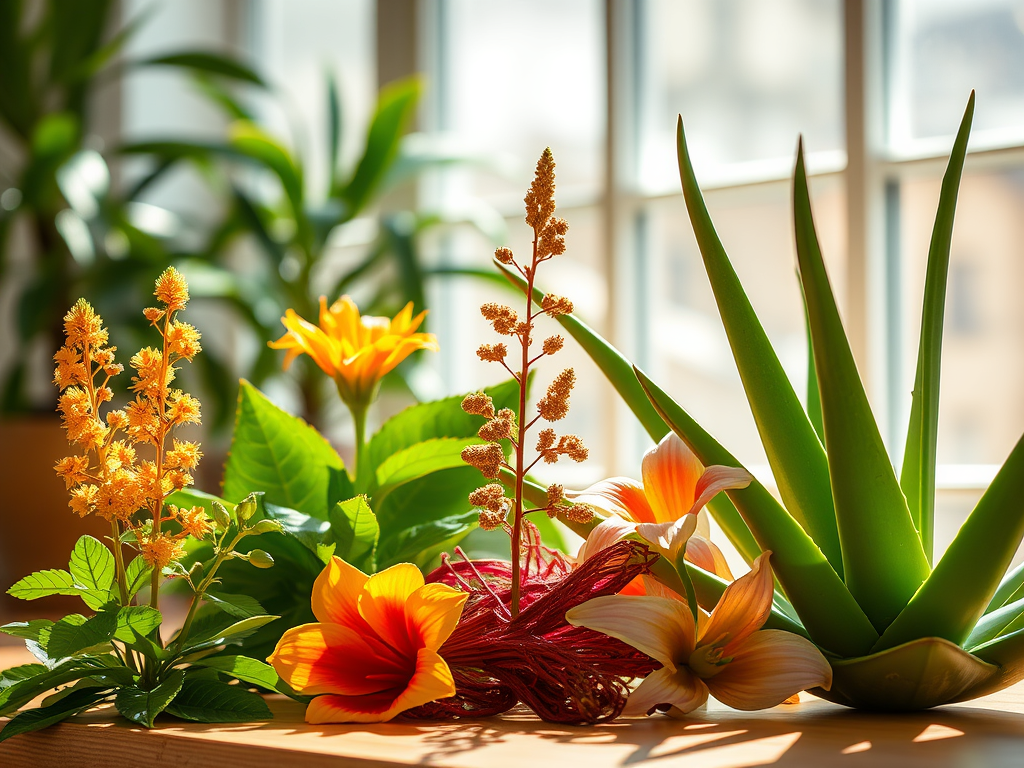
The Power Trio: Ashwagandha, Saffron, and Aloe
Curious about which indoor plants thrive in the warm areas of your home? I was wondering the same thing, so I’ve put together a blog to share my findings with you!
Every home has that one spot—the south or west-facing window or patio where the light isn’t just bright; it’s intense. For at least six hours a day, this zone is a literal solar oven. While most houseplants would wilt or scorch here, this “High-Sun Recovery Zone” is actually a goldmine for growing powerful medicinal plants.
In this environment, heat isn’t the enemy; it’s the catalyst.
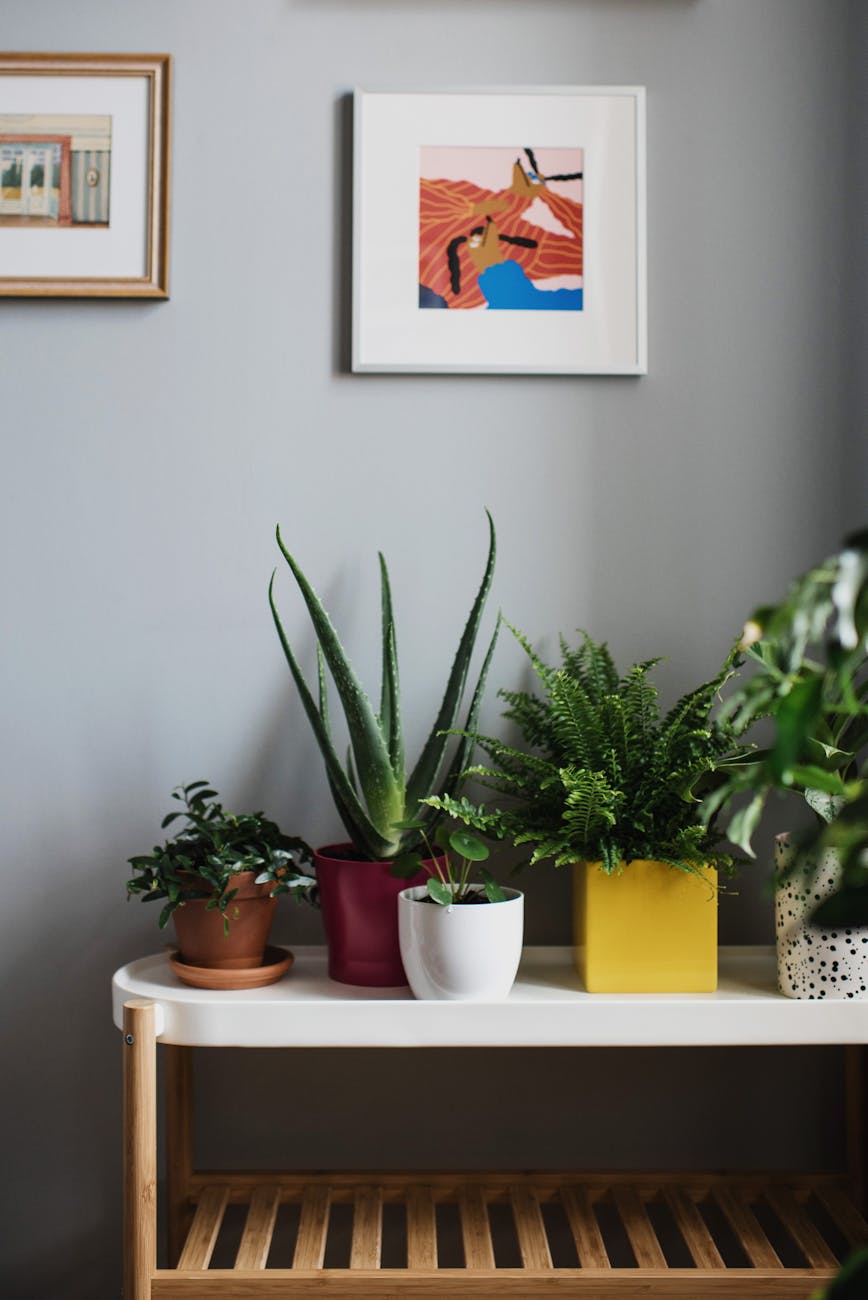
The Dynamic Trio: Ashwagandha, Saffron, and Aloe
If you have a spot that feels like a desert at 2:00 PM, these three plants won’t just survive—they’ll thrive.
- Ashwagandha (Withania somnifera): Known as “Winter Cherry,” this hardy shrub loves the bake of a western exposure. It uses the heat to fuel the development of its roots, which are packed with stress-fighting withanolides.
- Saffron (Crocus sativus): These bulbs require a “summer bake.” To trigger the flowering that gives us those precious crimson threads, the soil needs to get hot and dry during the dormant season.
- Aloe Vera: The classic heat-seeker. Aloe uses a specialized form of photosynthesis to keep its “gel” cool and hydrated even when the exterior leaf temperature skyrockets.
The Science of “Heat-Stress”
Why do these plants perform better when they’re pushed to the limit? It comes down to Secondary Metabolites.
When a plant is perfectly comfortable, it focuses on “primary” growth—getting taller and making more leaves. But when it experiences high-sun intensity and heat-stress, it enters a “survival mode” that triggers the production of medicinal resins and compounds.
1. Resins as Biological Sunscreen
Think of medicinal resins as the plant’s internal SPF. Under 6+ hours of direct UV light, plants like Ashwagandha produce dense, sticky compounds to prevent their cellular DNA from breaking down. For us, those same compounds often act as potent antioxidants.
2. Concentration Through Evaporation
In the heat, plants lose water through transpiration. This “thicker” sap leads to a higher concentration of active ingredients. For example, the aloin in Aloe becomes more concentrated in high-heat environments, sharpening its protective properties.
3. Metabolic Adaptation (CAM Photosynthesis)
Many heat-loving plants use Crassulacean Acid Metabolism (CAM). They keep their pores closed during the scorching day to save water and “breathe” at night. This unique metabolic rhythm is exactly what allows them to build up the complex chemical structures we harvest for health.
Tips for Managing Your High-Sun Zone
Even though these plants love the heat, a “Recovery Zone” requires a little strategy to keep it productive:
- Pot Choice: Use terracotta or unglazed ceramic. These materials “breathe” and prevent the roots from boiling in standing water.
- Thermal Mass: Place stones around the base of your plants. They soak up the midday heat and release it slowly during the night, mimicking a desert habitat.
- The “Finger Test”: In a South/West zone, evaporation is rapid. Check the soil daily, but only water when the top two inches are bone-dry to avoid root rot.
Since you’re working with a High-Sun Recovery Zone, the standard “once a week” watering advice doesn’t apply. In a South/West exposure, your pots are essentially mini-ovens. To maximize those medicinal resins without cooking the roots, you need a strategy that balances rapid drainage with targeted hydration. Here’s a guide for the Heat-Stress Trio.
The Soil Architecture: “The Desert Mimic”
Standard potting soil holds too much peat, which can turn into a soggy “hot mud” that rots roots in high heat. You want a 70/30 Mineral-to-Organic ratio.
The Formula:
- 40% Coarse Sand or Perlite: For instant drainage.
- 30% Pumice or Lava Rock: To provide “breathable” air pockets.
- 30% Organic Compost/Coir: To provide just enough nutrients for resin production.
Pro-Tip: Add a handful of crushed eggshells or limestone to the mix. Ashwagandha and Saffron appreciate a slightly alkaline environment, which helps them synthesize alkaloids more effectively.
Custom Watering Schedules
In an intense 6+ hour sun zone, timing is everything. Never water at high noon—water droplets on leaves can act as magnifying glasses, causing “lens burn,” and cold water on hot roots can cause thermal shock.
| Plant | Watering Frequency (In High Sun) | The “Resin-Boost” Secret |
| Aloe Vera | Deep soak every 10–14 days. | Let the leaves slightly “curl” before watering. This mild dehydration spikes the concentration of aloin. |
| Ashwagandha | Every 3–5 days (keep slightly moist). | Water in the early morning. If the leaves droop at 3:00 PM but perk up by sunset, don’t water. It’s just protecting itself. |
| Saffron | Summer: None (Dormant). Fall: Weekly. | Saffron corms need a “Bone Dry Summer” to bloom. If you water them in the July heat, they will rot before they ever flower. |
The “Deep Drench” Method
Instead of giving these plants frequent “sips” of water, use the Soak and Dry method:
- Place the pot in a tray or sink.
- Pour water until it runs freely out of the drainage holes.
- Wait 10 minutes and repeat.
- Crucial: Ensure the tray is emptied afterward. Standing water + 100°F (38°C) sun = boiled roots.
Maximizing Medicinal Potency
To get the highest quality resins, you want to simulate the “end of the monsoon.”
- For Ashwagandha: Two weeks before you plan to harvest the roots, cut watering by half. This “drought stress” signals the plant to move its chemical energy (withanolides) from the leaves down into the root system.
- For Aloe: If the leaf tips turn a slight reddish-brown, don’t panic! This is “sun-stressing,” and it actually indicates a higher level of protective antioxidants in the gel.

